
What Are the Renowned Aspects of Sri Lanka? Highlights Sri Lanka is Famous For
Published by Travel Me,
Tipped to be one of South Asia's most dynamic holiday destinations, Sri Lanka is an island nation quite like any other. The tropical paradise blessed with stunning beaches at every turn is not only rich in cultural heritage but also lays claim to the world's most underrated cuisine according to Lonely Planet. From the natural wonders dotting its landscapes to iconic landmarks that have stood the test of time, here's a rundown of what Sri Lanka is known for around the world.
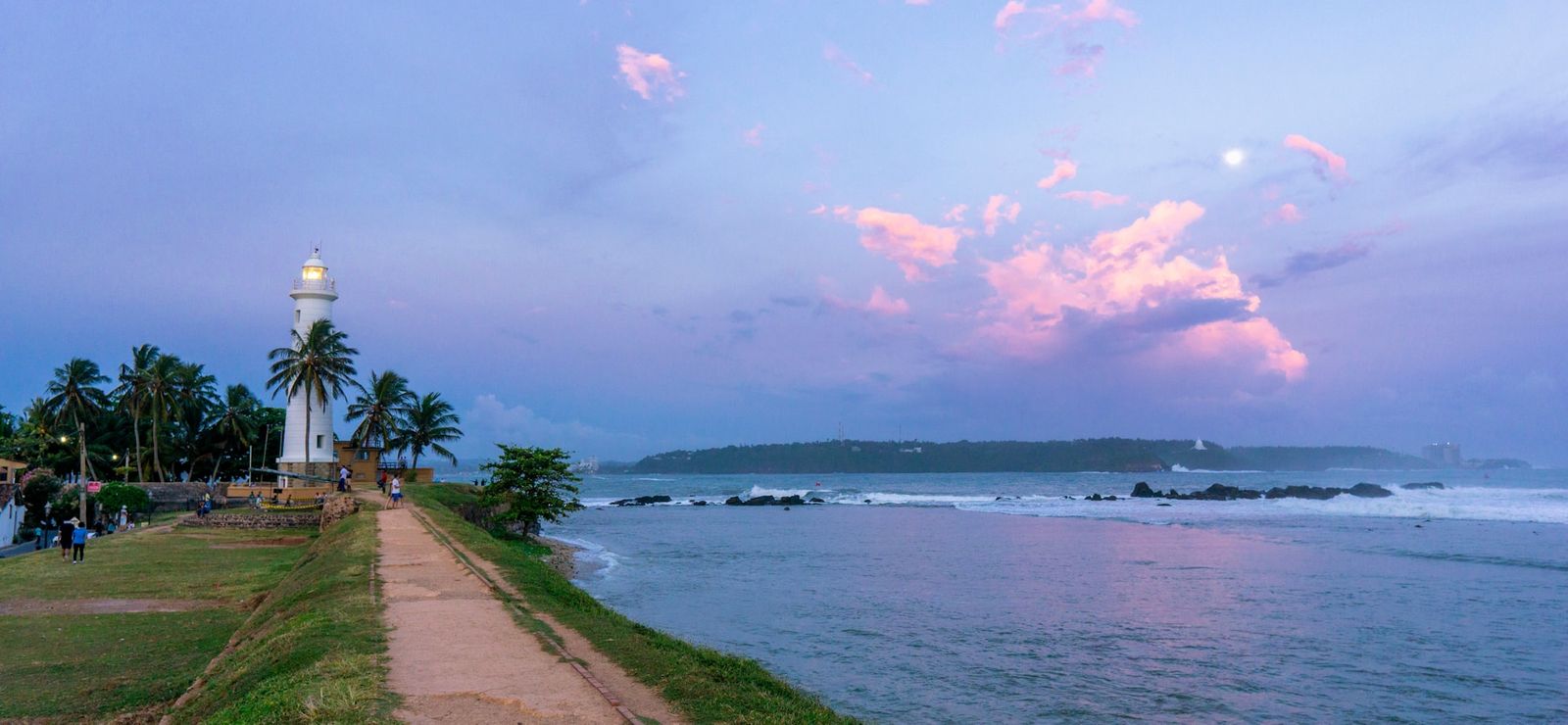
Galle Fort - Photo by Hendrik Cornelissen on Unsplash
The Temple of the Tooth
Ranked among the holiest sites in the Buddhist world, The Dalada Maligawa or the Temple of the Tooth is one of Sri Lanka's most famous cultural attributes. Occupying pride of place in the hills of Kandy, this temple contains the sacred dental remains of Lord Buddha. Housed within what was a former royal palace, the large complex not only includes a moat but also a museum where some of the ancient relics found within the temple are on display. As the focal point of the Esala Maha Perehara which takes place in July/August each year, thousands of pilgrims pay homage to this iconic place of worship every day. Having survived a terrorist bombing during the country's civil war, this UNESCO World Heritage Site has been restored to its former glory in recent years.
Sigiriya Rock Fortress
Called the "Palace in the Sky," the Sigiriya Rock Fortress was once a contender to become the 8th Wonder of the World. Built during the 5th century B.C by an errant prince who murdered his father, this unusual castle became a refuge for decades before its whereabouts were obscured and the rock was reclaimed by the wilderness. Monuments, frescoes and evidence of King Kashyapa's limited reign can be found all across this UNESCO World Heritage Site located in the heart of the country as remnants including stone thrones, water gardens, ancient murals and bathing ponds have been uncovered by archaeologists. The views accessible from the summit of Sigiriya Rock are panoramic, to say the least, as the rocky promontory offered its king unhindered views of any approaching enemy armies from every direction.
The Cultural Triangle
Easily accessible to those based at Cinnamon Lodge Habarana and other similar luxury resorts in Sri Lanka located in the middle of the island, The Cultural Triangle is concentrated around Anuradhapura, Polonnaruwa and Dambulla. As former capitals during the golden eras of Sri Lankan history, both Anuradhapura and Polonnaruwa are home to an array of ancient palaces, monasteries, ponds, temples and stone sculptures that have brought the island global fame. The Gal Vihara complex, the Samadhi sculpture and the Eight Sacred Sites (Atamasthana) are just some of the Cultural Triangles' most popular points of interest.
The Galle Fort
While the Galle Fort may be a colonial structure, it is arguably one of Sri Lanka's most globally recognized landmarks to date. Having hosted the coveted Galle Literary Festival in recent times, the Dutch Galle Fort as it is officially known sits at the heart of the southern capital and is a mammoth fortification of impressive dimensions. Often described as a city within a city, the Galle Fort is home to cultural hotspots such as The Dutch Reformed Church, the National Maritime Museum and the Dutch Government House. Lined with boutiques and shops, the fort is also a prime entertainment hub down south.
Ceylon Tea
Although tea plantations were first set up by British colonizers, Sri Lanka has made Ceylon Tea a global phenomenon that extends far beyond its colonial legacy. Grown in the central hills of the island, the quality, aroma and nutritional value of Ceylon Tea is well-documented. Exported around the world, the tea estates and factories of Sri Lanka have been producing the world's finest black tea since the first plantation was set up in Loolecondera.