
Go Traditional - How to Opt for a Rental Kimono in Tokyo
Published by Travel Me,
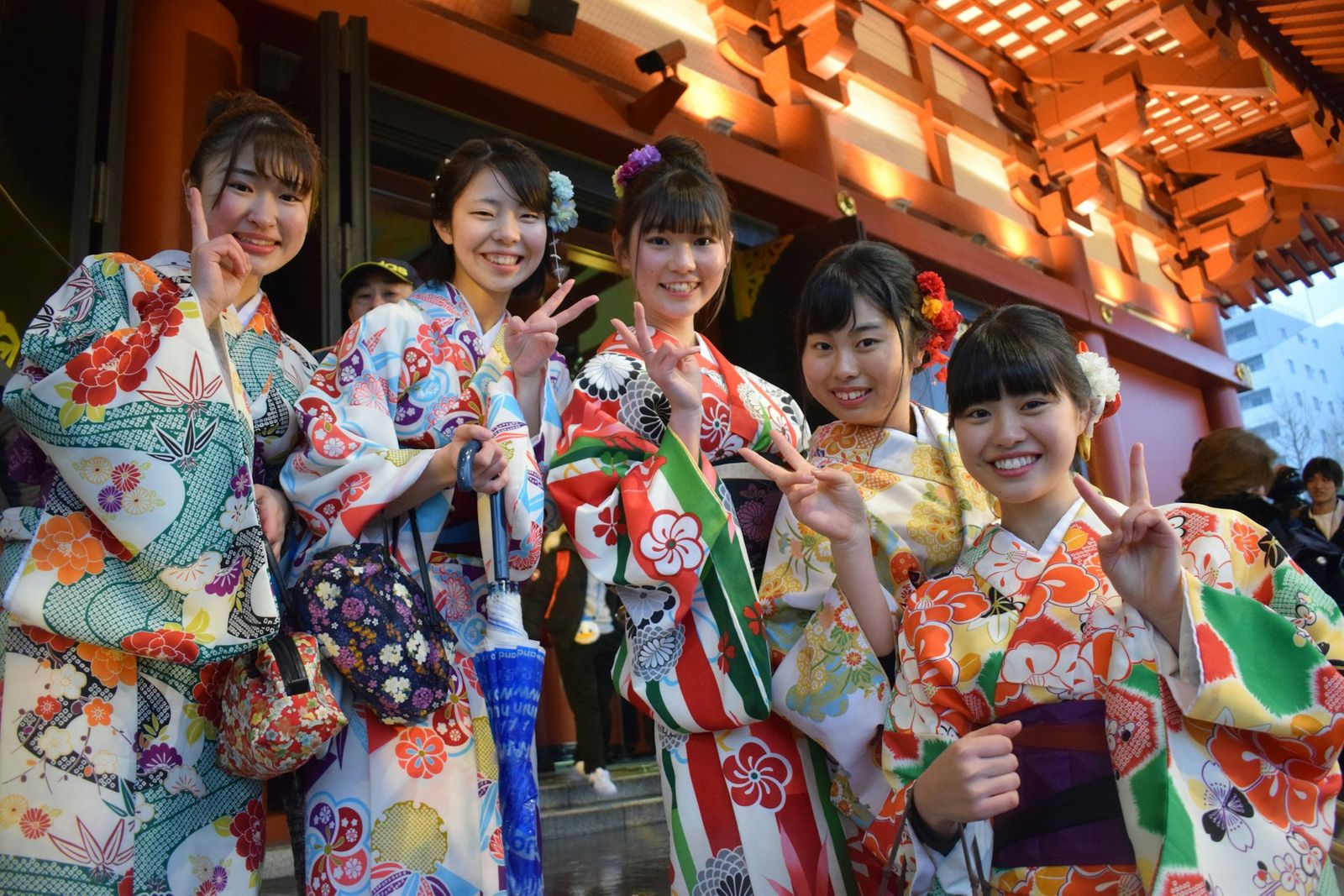
Japan boasts of alluring traditions and rich culture. One of the best ways to truly engross yourself in the country’s customs is to don a traditional kimono. Renting a kimono has become a popular activity among visitors today. It blends well with the historical vibe of the region and sets off a regal look that is hard to beat dressed in any other casual clothing.
Defining Japan’s traditional attire
There is no other attire as trendy or graceful as the classic kimono. This age-old attire which originates from ‘The Land of the Rising Sun’ is known as the country’s traditional costume. Dating back to the Heian era, known as Japan’s Golden Age, these colourful kimonos have patterns that are usually hand-painted with botanical designs. The garment resembles a robe which falls to your ankles, is wrapped around the body and held together using an obi belt. It also possesses square sleeves and is usually paired with accessories like zori sandals and tabi socks. Modern-day kimonos are fashioned in many different ways to suit the setup and climate. There is a less festive version of the attire called the yukata which is made using cotton materials. The kimono has become a costume which is reserved for formal events like funerals and celebratory occasions like weddings today. Men and women don the attire at public festivals to enhance the cultural value of the event.
Where to rent the classic garment
Though Western clothing has gained wide popularity in Japan, there are still some venues which sell or rent kimonos. One of the most popular places to get this ensemble is Asakusa. A region which preserves Japanese old practices, Asakusa also stands out as a noteworthy shopping destination. This town has several kimono rental shops scattered along its streets. Walk into one of these kimono rental shops dotting the streets and choose a kimono of the colour and design which appeals to you. You can even make a request and get the staff from the rental to help you get dressed in the kimono at your serviced apartment in Tokyo.
Putting everything together
Two undergarments, hadajuban, which resembles a wrap shirt, and susoyoke, an underskirt, are worn first. Both are generally stitched out of comfortable cotton materials. The han-eri, a replacement collar, is then sewn onto the hadajuban. Lastly, the glamorous kimono embraces your body tied together with an obi belt to match. If you want to go for a glammed-up look, choose accessories like the obijime (thin, decorative belt going around the obi), obidome (tiny decorative piece fastened to the obijime) and obiage (slender cloth wound above the obi) with care so that these pieces do not outshine the beauty of the kimono. You can complete the look by choosing a decorative kanzashi (hair ornament) to compliment your hairstyle. A small clutch bag will be suitable if you wish to carry a few things around with you.
Kimono-donning events and ceremonies
Though the kimono is now considered as a formal and festive attire, this attire has a magnetic aura to attract people all over the globe. It is worn at Japanese ceremonies like Shi-chi-go-san (a celebration held to mark lucky ages for boys and girls), traditional tea ceremonies, music performances, weddings and funerals. It is also worn at Japanese school or university graduation ceremonies paired with hakama, a skirt-like pant worn by nobles in the past. Some Japanese dine-in restaurants also require their staff and guests to wear a kimono to merge well with the authentic experience they offer. If you are not used to the attire, you might find it a problem to move around in the costume. Stay at a property like Citadines Central Shinjuku Tokyo and transport facilities will be at your fingertips. You can get to your destination without any hassle or worries about any fashion mishaps.
Some tips to keep in mind when sporting a kimono
• Remember to keep the left side draped on top of the right whenever you wear the kimono because the other way around is how the garment is draped on the dead.
• Kimonos go well with the Japanese landscape. So make sure to take plenty of photos in Japan’s iconic settings to keep as tokens of remembrance.
• You might feel strange wearing a kimono in places that are infested by Western garment-clad locals but do not stress. Japanese people generally feel flattered that visitors have made an effort to blend into their culture by choosing their traditional attire.